

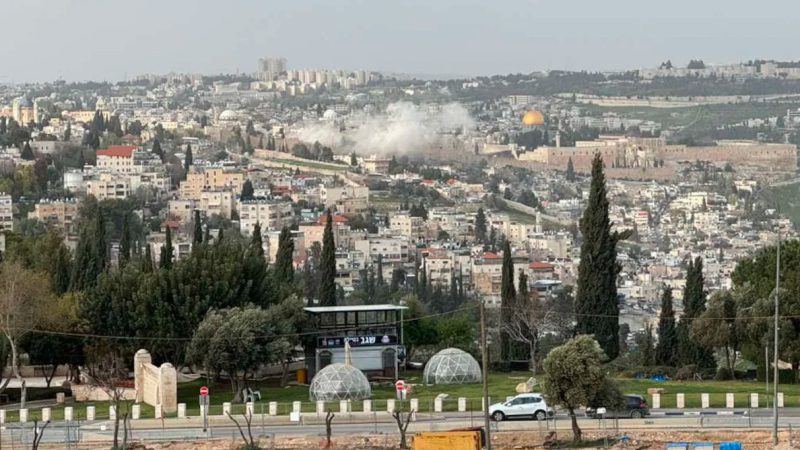

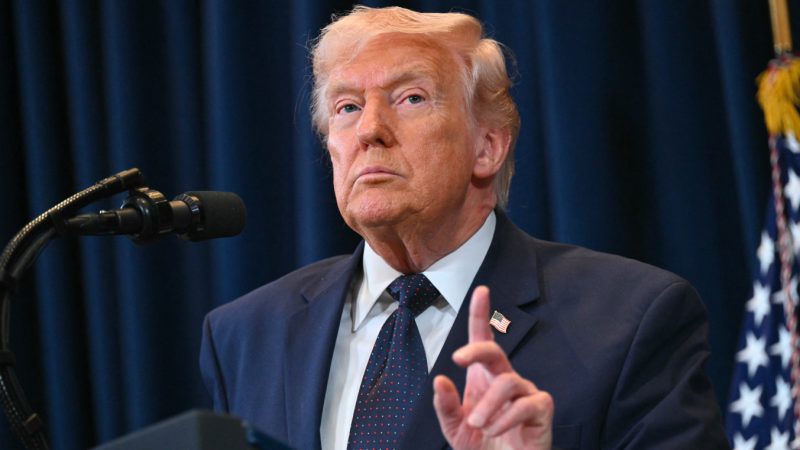
Donald Trump on Friday said he is considering “winding down” military operations against Iran, noting that key objectives of the mission are close to being achieved. His remarks come amid intensified retaliatory strikes by Iran following attacks launched by the United States and Israel on February 28.
WASHINGTON:
The situation escalated further this week after Israel targeted a major Iranian gas field. In response, Iran launched a counterattack on the world’s largest LNG facility in Qatar, located across the same gas field.
The strike on the critical energy infrastructure triggered a sharp surge in global gas and oil prices, prompting Trump to tone down his stance while issuing a cautionary message. He also stated on Thursday that Israel would refrain from further attacks on the Iranian gas field.
In a post on Truth Social, Trump said, “We are getting very close to meeting our objectives as we consider winding down our great military efforts in the Middle East,” referring to what he described as the “terror regime” in Iran. The statement is seen as the strongest indication yet that the administration may soon move to end hostilities that began on February 28.
Shortly after, Karoline Leavitt stated on X that the President and the Pentagon had anticipated the mission would take approximately four to six weeks. “Tomorrow marks week three, and the US Armed Forces are doing an exceptional job,” she said, adding that Iran’s capabilities are being significantly weakened.
Meanwhile, the conflict has also seen direct military impacts. Iran claimed its air defence systems “seriously damaged” a F-35 Lightning II-potentially the first such incident. The United States Central Command confirmed that one aircraft made an emergency landing, with the pilot reported to be in stable condition.
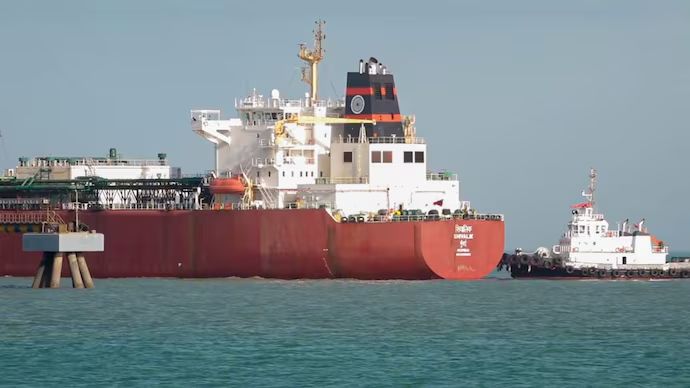
Amid rising concerns over global energy supplies, the US government has taken steps to stabilise markets. The Treasury Department, led by Scott Bessent, announced a temporary lifting of sanctions on Iranian oil already loaded onto vessels.
The authorisation allows the delivery and sale of Iranian crude and petroleum products loaded before March 20, valid through April 19. According to Bessent, this move is expected to release approximately 140 million barrels of oil into global markets, helping ease supply pressures and stabilise energy prices.
